Siding is your home's raincoat. It protects the structure from water, wind and sun while giving the outside its character. When it starts to crack, fade or bulge, new siding can transform how your home looks and how well it holds up to the weather.
Signs your siding needs replacing
Look for warped or loose boards, peeling paint that keeps coming back, soft spots, mould or mildew and gaps where boards meet. Rising heating bills can also point to siding and insulation that are no longer sealing the house.
Compare the main options
Vinyl is affordable, comes in many colours and needs little more than a wash now and then. Fibre cement is tough, fire resistant and convincingly mimics wood. Wood offers natural beauty but needs regular sealing or painting. Engineered wood gives a wood look with better resistance to moisture and insects.
Add insulation while you can
Replacing siding is the ideal moment to add a layer of rigid foam or an insulated backer. It helps keep the home warmer in winter and cooler in summer, and it makes walls quieter too.
Choose colours that work together
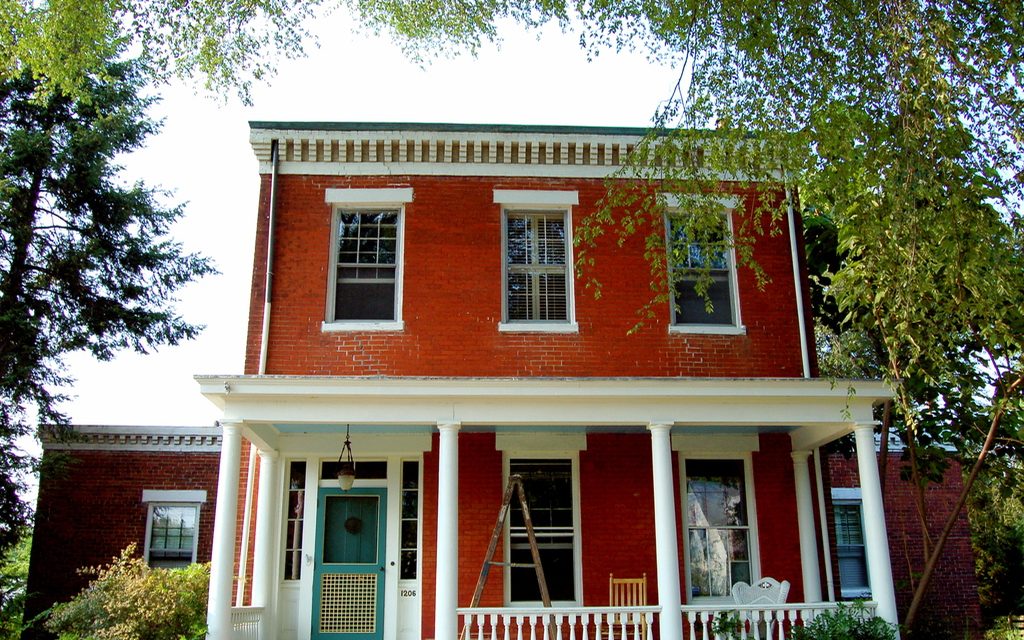
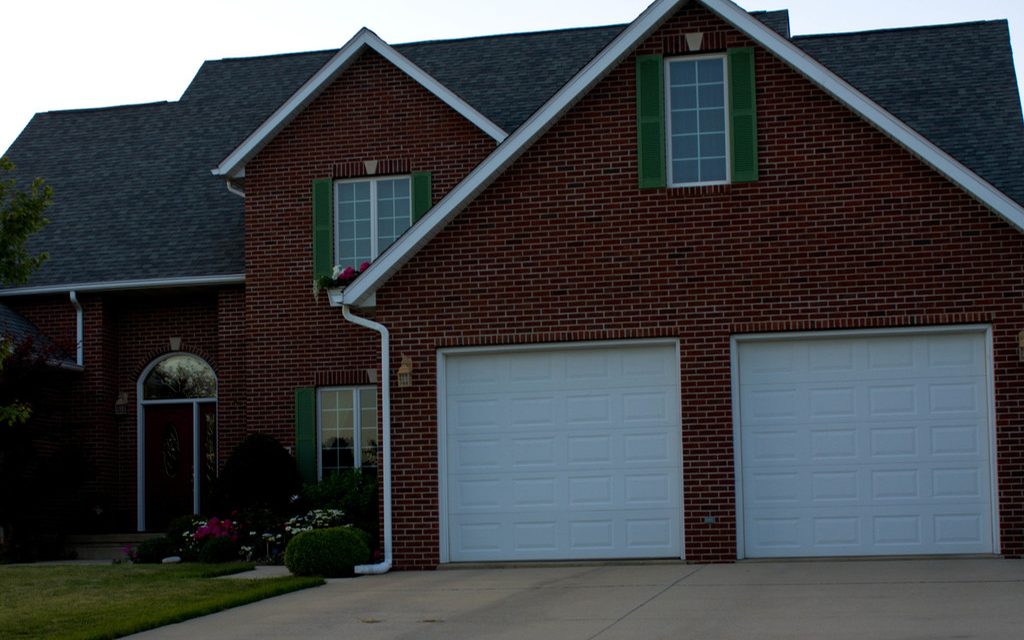
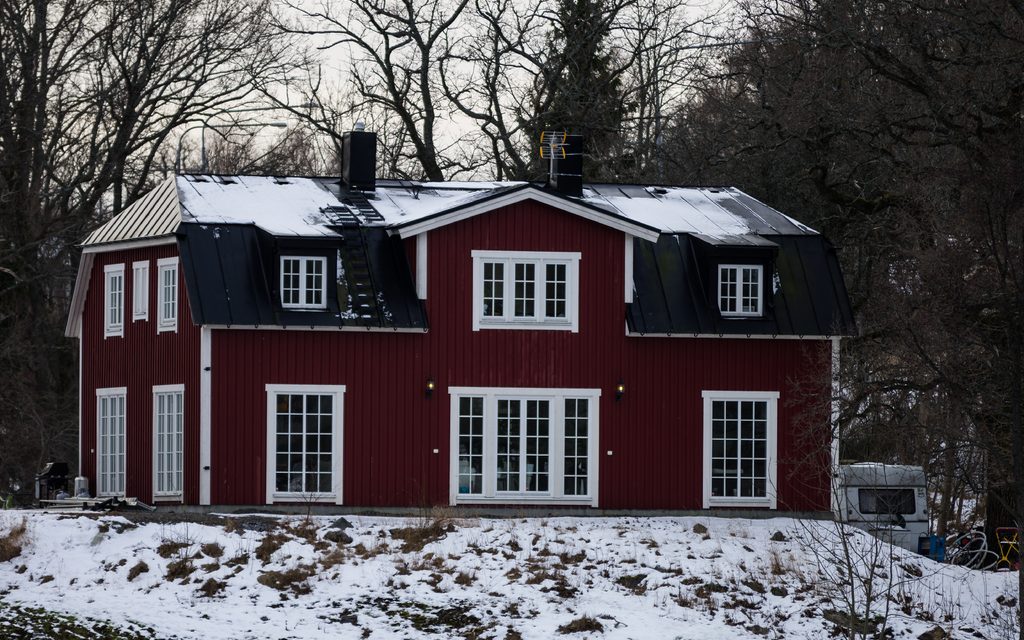
Look at your roof, brick or stone and window frames before choosing a colour. Pair a main siding colour with a contrasting trim colour, and consider a different texture such as shakes or board and batten on gables for extra interest.
Plan the details
Good siding jobs include new house wrap, proper flashing around windows and doors, and fresh trim. These hidden layers keep water out and are where a careful installer makes the biggest difference.
Planning a replacement?
Book a free home visit and get honest advice and a clear written quote.